2026 is set to offer a number of property conversion opportunities, with more properties becoming readily available on the market. Property conversion is growing in popularity, with more and more investors seeking opportunities in the sector.
When approached correctly, property conversion can be profitable, but to benefit from the growing opportunities, you need to act fast. Property conversions often require the investment of substantial sums of money, and depending on the condition and value of the property, you may fail to receive the funds you need through typical financing options.
This is when property conversion bridging loans become useful.
At Bridging Finance Solutions, we have supported countless investors by providing the necessary funding and in this guide, we will give you a clearer overview of what property conversion finance is and how it can be used.
What is Property Conversion Finance?
Property conversion finance is a short-term loan, secured against existing properties, that allows investors and developers to purchase and transform existing structures, usually into residential space.
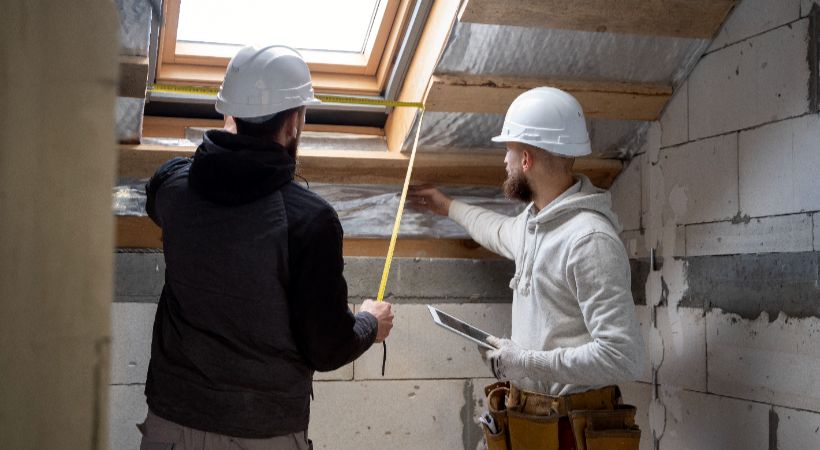
The loan amount can be used to fund development finance works, including conversions, refurbishments, or full reconfigurations, and typically is expected to be repaid within a year, so you do not have to worry about having a long-term financial commitment once a project has reached completion.
Property conversion finance is a great alternative to traditional mortgages, which often fail to cover uninhabitable properties.
Types of Property Conversions
Some of the most common property conversions that property conversion finance can be used for include:
Commercial to Residential
One of the most common uses of property conversion bridging loans we see is converting commercial properties to residential ones. This could be taking an old shop and converting it into flats, or taking an old shop front and turning it into a residential home. Conversion finance can help with this endeavour.
House to HMO
A growing use of conversion finance is transforming a large home into an HMO. This is becoming increasingly popular in large cities, where a growing student and young professional population is driving demand.
Conversion finance is used to divide properties to create more living space for those moving into the HMOs. These properties are often considered high risk, making it more difficult to access traditional funding solutions. That is where property conversion bridging loans come in.
Single House to Flats
There is a growing market of individuals looking to live in smaller flats rather than large houses, leading to a rise in single-family homes being converted into flats. As a high-yield investment, property conversion finance can be used to complete a full-house-to-flat conversion to a high standard.
Though these projects can yield high returns, they often entail high costs, making property conversion financing necessary.
Garage/Barn Conversions
Another conversion that has gained popularity over the last few years is the garage/barn conversion. A more affordable way to get more living space than starting a development from the ground up, more and more people are converting garages/ barns into residential properties.
Garage barn conversions are rewarding, but often need large cash injections to be completed quickly and to a high standard, which is where property conversion finance is necessary.
Property Conversion Costs to Consider
With any development project, there are costs that you have to consider before you begin. It is important that you provide a full breakdown of your project’s costs if you are going to apply for funding, as this helps the lender understand the project’s scope and risks.

Some property conversion costs to consider include:
Conversion/ Building Costs
The bulk of your budget will go towards the physical conversion work itself. This includes structural alterations, installing utilities like plumbing and electricity, insulation, windows, flooring, and all internal finishes. Depending on the condition of your garage or barn, you may also need to factor in costs for roof repairs, damp-proofing, or foundation work.
It’s essential to get detailed quotes from reputable contractors early on to avoid any nasty surprises down the line.
Professional Fees
A successful conversion requires input from various professionals. You’ll need to budget for architect fees to design the space and create planning drawings, structural engineer reports to ensure the building is sound, and potentially surveyor costs.
Finance Costs
Property conversion finance comes with its own set of costs that need to be factored into your budget. This includes arrangement fees, valuation fees, legal fees related to the loan, and, of course, the interest payments throughout the project.
While these costs add to your overall expenditure, securing the right finance means you can complete the conversion quickly and to a high standard, ultimately maximising the value of your investment.
Contingency Budget
No matter how well you plan, unexpected issues almost always arise during conversion projects. Whether it’s discovering structural problems once work begins, encountering unforeseen utility complications, or simply dealing with price increases on materials, having a contingency budget is crucial.
Most experts recommend setting aside 10-20% of your total project costs as a buffer to ensure your conversion can be completed without financial stress, even in the event of the unexpected.
How Much Can You Borrow for a Property Conversion?
The total finance that you can borrow for your property conversion depends on the project, its predicted value, the risk and your reputation. The amount of funding you receive depends on your lender’s discretion, which is why making a detailed development plan and exit strategy is crucial.
At Bridging Finance Solutions, we provide a wide range of funding for conversion projects, from light to heavy refurbishments. The amount we can lend depends on the individual project, though we can provide up to 100% of the required funds.
The Importance of an Exit Strategy
When securing a property conversion loan, your exit strategy shows lenders how you will repay the loan. This typically involves refinancing to a long-term mortgage once renovations are complete, selling the converted property, or using rental income to cover repayments.
Lenders require a clear exit strategy before approving your loan. Without one, you cannot secure funding and risk being unable to repay the loan once the conversion is finished.
Before applying for property conversion finance, identify your refinancing options, assess local market conditions, and factor in potential delays or cost overruns. A defined exit strategy from the start ensures you can complete your project and meet your repayment obligations.

Get the Finance You Need With Bridging Finance Solutions
This guide should have provided you with more insight into property conversion finance, its uses and what to expect when applying for it.
At Bridging Finance Solutions, we have assisted many developers in their property conversion projects, and we are ready to help you.
Get in touch with our team today and make it happen with BFS.