

With the housing market finally finding some sort of stability, more and more people are looking to climb the property ladder this year. In today’s competitive market and seller’s market conditions, some people are purchasing their first homes, while property investors look to upgrade. There is a lot of competition at the moment for standout properties.
With so much competition in the market, in order to secure a great property, you need to act quickly. With traditional mortgage applications and conventional loans not providing the necessary funding quickly enough, many people are turning to residential bridge loans to purchase property.
At Bridging Finance Solutions, we are leading providers of residential bridge loans, and in this guide, we will outline exactly what they are and how they can be used in 2026.
What is a Residential Bridging Loan?
A residential bridging loan (also known as a bridge loan or mortgage bridge loan) is a short-term loan designed to bridge the gap between the purchase of a new property and the sale of an existing one. This type of bridge financing can also be used to purchase a first home until the buyer has raised the funds to repay the loan, as outlined in the exit strategy.

These loans provide fast, temporary financing while a more permanent financing solution is found. Unlike personal loans or home equity loans, bridge loans offer short-term financing and gap financing specifically designed for real estate transactions, making residential business finance the perfect option for anyone looking to secure a property quickly with cash offers.
Common Uses of Residential Bridging Loans in 2026
Not sure if a residential bridge loan is the right solution for your needs? Here are some of the common uses of bridge loans in 2026.
Broken Property Chains
The property market is always fluctuating and at times can be very competitive. Last year, many buyers encountered broken property chains. A break in a property chain occurs when a transaction falls through before contracts are legally exchanged. This may happen due to buyers failing to secure a mortgage, issues with the debt, or problems with cash flow, but it can also be due to survey results or slow legal conveyancing.
To avoid broken property chains, more and more people are using residential bridge loans to secure the finance they need quickly and expedite the home-buying process.
Auction Purchases
When purchasing a property at auction, you need to act fast. With so many fantastic deals available at auction, you have a lot of competition, which means that a lot of buyers commit to a purchase without having the funding ready and then have 28 days to complete the full purchase. This is where auction finance and bridge funding come in, allowing buyers to complete their auction purchase without delay and compete with cash offers.
Repayment of the bridge loan may then be achieved through the sale of the property or obtaining a more long-term financial solution. While bridge loan terms typically involve higher interest rates than conventional loans, the speed and flexibility make them ideal for time-sensitive auction purchases.
Buying Before Selling
If you are looking to upgrade or downsize your current property, you might find yourself in a sort of limbo between selling your current property and buying your next. This interim financing challenge is common when you need to leverage your home equity before your current home sells.
Being in this position brings with it pressure, so having access to bridging finance for residential property can make a world of difference, providing the working capital and financial security needed to complete a purchase without having to wait for the sale of your property. This mortgage bridge solution uses your home as collateral while you transition between properties.
Unmortgageable Properties Needing Work
There are strict requirements that must be met in order to receive a traditional mortgage, and if a property is deemed un-mortgageable, you may be denied a loan.
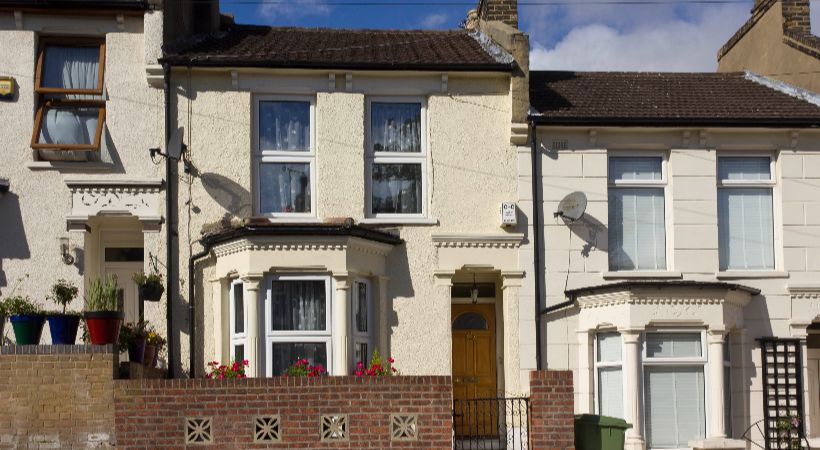
Properties that are often considered un-mortgageable include fixer-upper properties that are considered structurally unsound or legally complicated, as well as investment properties requiring significant home improvements. Bridge loans come with the added benefit of being flexible, as you can provide a lender with information on how you intend to raise the funds to repay your loan.
Quick Purchase Opportunities
Sometimes opportunities arise that you just have to take advantage of. Be it a brilliant property going on sale at a reduced price, new construction opportunities, or the opportunity to move to a better location, sometimes you have to act fast to secure a great deal in today’s competitive market.
Obtaining a fast property loan through bridge financing ensures that you don’t miss out on fantastic residential investment opportunities, and you can secure great properties without waiting for traditional mortgage finance.
How Much Can You Borrow?
The amount of residential property finance that you can borrow from a lender depends on a number of factors, and there is no set amount that you are guaranteed to receive. Factors such as the loan-to-value ratio, your home equity position, your debt-to-income ratio, and your exit strategy can all have an impact on how much a lender is willing to give you, as well as factors such as your credit history and the plan for the property.
You will only know exactly how much you’re eligible to receive once you have sent your application to a bridge loan lender, and they will be able to outline exactly how much finance you are eligible to receive. Keep in mind that closing costs, origination fees, and potential prepayment penalties should be factored into your calculations, as bridge loans typically carry higher interest rates than conventional financing options.
Who Qualifies for a Residential Bridging Loan?
Most property owners and buyers are likely to qualify, whether you’re a homeowner, investor, or developer. While an excellent credit score and low debt-to-income ratio can help, at BFS, we review each case individually, so even in complex situations or with imperfect credit, we strive to find a solution.
The main considerations are the property’s value used as collateral (your home as collateral), a clear, credible exit plan, such as a sale, remortgage, or long-term financing, and sufficient home equity. Unlike traditional mortgages that may require private mortgage insurance, bridge loans focus primarily on the property value and exit strategy. If you have equity and a plan, even if you’re managing mortgage payments on another property, we want to hear from you.
The Importance of an Exit Strategy
At Bridging Finance Solutions, we consistently emphasise the critical importance of having a well-defined exit strategy when securing a bridge loan, as it is essential for ensuring repayment and the overall success of the financial arrangement.
Before even applying for a loan, you need to understand how you will be able to repay it in the future, as this not only provides more security for your loan provider but also ensures that you are not entering into an agreement that you ultimately won’t be able to afford. Your exit strategy might involve selling the property, refinancing onto a traditional mortgage, or using other sources of working capital.
Make it Happen With Bridging Finance Solutions
Through this guide, you should now have a deeper understanding of residential bridge loans and how they can be used in 2026. At Bridging Finance Solutions, we are proud to provide the funds our clients need to secure residential properties through flexible short-term loans.
Do you need a quick cash injection for a property purchase or have questions about residential bridge loans?
Make it happen with BFS – your partner in bridging the funding gap and unlocking business opportunities.