It’s no secret that investing in property can be lucrative, and while some choose to buy properties already in good condition, do minor repairs and sell them on for a marginal profit, some take it a step further and completely flip a property.
House flipping is growing in popularity, with more and more people taking run-down properties and transforming them into high-standard homes. The issue with property flipping is that sometimes it can be challenging to cover repair costs and finances for the venture.
At Bridging Financing Solutions, we have provided funding for a diverse portfolio of projects, and in this guide, we’ll dive into what flipping houses means and how you can use a bridging loan to fund a house flip.
What is Property Flipping?
Property flipping involves taking a property, often at a reduced cost due to the condition of the property or the circumstances in which it was bought, and then improving it through refurbishment or vital repairs before quickly selling it for a profit.

How House Flipping Works, Step by Step
If you would like to flip a property, you can expect the following process:
Finding the Right Property
The first step is finding the right property. It can be easy for those who want to flip a property to get over-excited and snatch up the first affordable property they encounter, but this could lead to a small profit margin, or even losing money.
It’s important to fully assess any property you wish to flip and determine whether or not the cost of refurbishment outweighs the potential profit that can be made. It can be easy to make a quick decision, but taking your time to really evaluate the value of a property is important for ensuring you’re making a good investment.
Working Out the Numbers
Flipping a house is all about making a profit, so you need to make sure that you’re crunching the numbers.
Think about the purchase price, how much work on the property will cost, any fees like stamp duty and what it will cost to sell. A lot of investors and developers also forget about the importance of a contingency fund, which covers unexpected costs that occur in the process.
Compare your costs with what you expect to make from the project; if there isn’t a profit, the venture isn’t worth it.
Funding the Purchase and Works
Depending on the property’s condition, traditional funding may be difficult to obtain, which is where bridging finance comes in. Though you can use standard financing options for certain properties, this can take months, and when a great property opportunity arises, you need to act fast, especially if you know there’s going to be competition.
When flipping, a property will likely need refurbishment, which is where many people choose to take out a refurbishment bridging loan to cover the costs.
Managing the Refurbishment
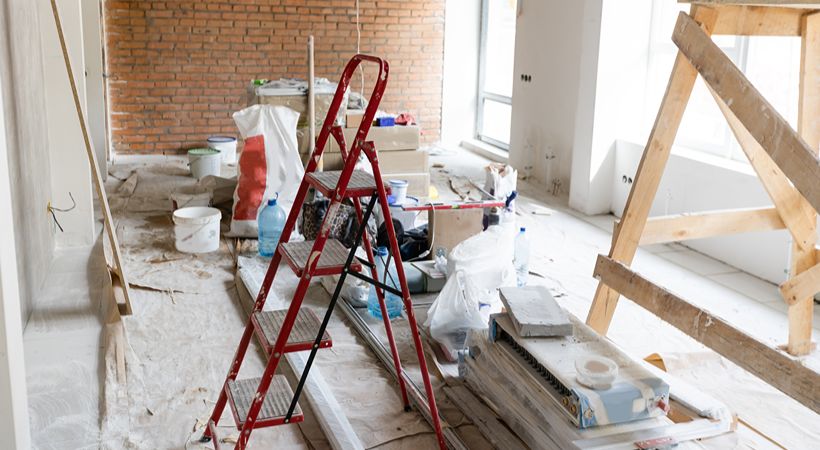
If you are flipping a property, refurbishment is often one of your highest costs. To make the biggest profit, it’s not uncommon for buyers to purchase properties that require substantial work or are even considered uninhabitable.
If only cosmetic renovations are needed, you’ll need a light refurbishment, but if the property has structural issues, you’ll need a heavy refurbishment, which can take time, money, and careful planning.
Selling or Refinancing (Your Exit)
Once refurbishment is complete and you are happy with the property’s standard, you need to put it on the market. At this stage, you can get a clear valuation and sell the property. If you have taken out a bridging loan to fund the venture, the sale of the property is what you will use to repay your loan, as outlined in your exit strategy.
Why Investors Use Bridging Finance to Flip
You may be wondering why so many investors use bridging finance instead of typical funding solutions; some of the reasons why include:
Speed
One of the main reasons investors choose bridging finance to fund their venture is the speed at which they can obtain it. If they apply for a mortgage or other standard financing, it can take months to receive the funds, which can cost them a lucrative opportunity.
Bridging finance can be provided quickly, and at Bridging Finance Solutions, we’ve provided finance within a matter of days, so if you need to seize an opportunity quickly, you’re more likely to get the finance to obtain it by using a bridging loan.
Unmortgageable Properties
When flipping a property, the idea is to buy a property in poor condition, upgrade it, and then sell it for a profit. House flippers aim to get the best return on their investment, and sometimes that means buying a property the bank may deem ‘unmortgageable’ and refuse to finance, often because it doesn’t meet the bank’s minimum criteria for habitability, structural safety, or legal title.
Just because a property is considered unmortgageable doesn’t mean that it doesn’t have potential. Bridging finance lenders assess the property’s potential and the developer’s plan to bring it to a habitable standard, and they won’t outright reject an application just because the property is deemed uninhabitable before refurbishment.
At Bridging Finance, we have funded projects that otherwise would have been rejected, and we know properties that may seem risky can generate strong returns with the right team and investment.
Auction Purchases
The most affordable houses, which are perfect for flipping, can often be found at auction. Auctions can offer properties with strong potential, but they may be in a state of disrepair.
When you bid on a property at auction, you have just 28 days to pay the full sum of the purchase, and if you don’t already have the funds to pay for the property, you need to get funding quickly, which can’t generally be achieved through standard financing options, especially if the property that you’ve bought is not mortgageable; bridging finance for auction purchases can instead be used to fund the purchase.
Refurbishment and Renovation Costs
When you buy a property to flip, you need to factor in refurbishment and renovation costs. These costs can be substantial, and while you may have the finance to complete the initial property purchase, you will need an additional cash injection to cover the cost of these refurbishments.
Bridging finance can cover both the initial acquisition price and the cost of light or heavy refurbishments.
Short-Term Structure
Investors who look to flip a property aim to do it quickly in order to get the best return on their venture. The faster you complete a project, the faster you see profit. When you choose a mortgage, the terms tend to span years, and the debt accrues interest over that time, but bridging loans are much shorter-term, and most lenders expect to exit the loan within a year.
Bridging loans are perfect for those not looking for a long-term commitment and want to complete the project as soon as possible.
Fewer Restrictions
If the project has potential and a clear opportunity for returns, bridging loan lenders accept properties in any condition. Rather than looking at whether or not the property is habitable, a bridging loan lender will instead look at the Gross Development Value and is able to invest in property without the same restrictions as typical lenders.
Bridging loan lenders are completely independent and use private equity to provide funding, and so are not subject to the same restrictions as typical lenders, giving them more flexibility and freedom with the projects they work on.

Get the Finance You Need With Bridging Finance Solutions
If you are an experienced house flipper or you have seen a great house flipping opportunity that you’d like to seize but need the finance to do so, you’re in the right place.
At Bridging Finance Solutions, we’ve helped make it happen for endless investors, and we’re ready to make it happen for you too.
Get in touch today to get the funding you need for your project.
Frequently Asked Questions
Can you get a bridging loan to flip a house?
Yes, you can get a bridging loan for a variety of projects, and it is very common for investors to use bridging loans to fund house flipping projects.
What is buy, refurbish, refinance?
Buy, refurbish, refinance is an investment strategy where you buy a run-down or undervalued property and then make renovations to increase its market value before refinancing it based on its new valuation after refurbishment.
How long does a typical flip take?
A property flip can take anywhere from 4 months to a year, depending on the speed of the renovation stage and the amount of work needed to bring the property to standard.
Do you pay tax on flipping houses?
If you have made a business out of house flipping, any profits made from the sale are treated as self-employment income and will be added to your other income for the tax year.